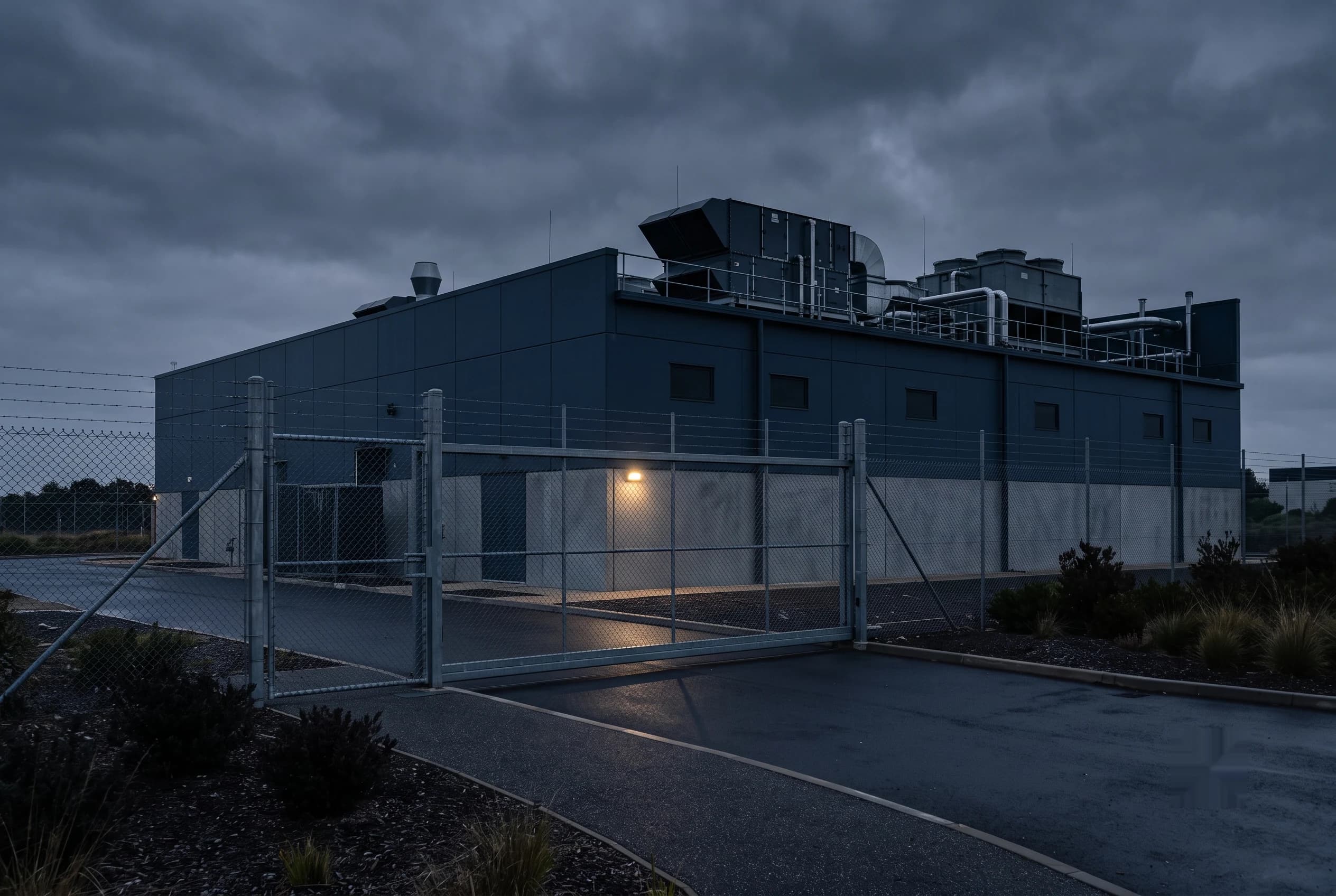
Sector · Data Centres
Critical National Infrastructure, synchronised by an unguarded signal
UK data centres were designated Critical National Infrastructure in 2024. The timing layer that designation now covers is largely invisible: GNSS-disciplined grandmaster clocks feeding PTP and NTP across facilities, synchronising distributed databases, ordering events across availability zones, timestamping everything customers rely on for their own compliance.
Interference at the antenna propagates as clock drift through every dependent system — and colocation customers increasingly ask the question directly: what is your time architecture, and what happens to it when GNSS lies? For operators, provable timing resilience is becoming an SLA differentiator as well as a regulatory posture.
The structural fixes are known — extended holdover, multi-source time, terrestrially delivered traceable UTC — but their real performance in a specific facility is only known once tested.
What resilient looks like: tested holdover per facility; a GNSS-independent time feed; interference detection at the antenna and in the sync fabric; customer-facing evidence.